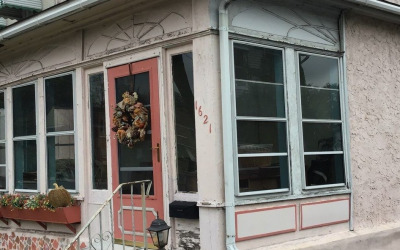
Stucco has been a popular choice for homeowners in Southeastern Pennsylvania for decades—especially in the 1990s and early 2000s. It offers a clean, elegant look that complements the historic charm and upscale designs common throughout Montgomery, Chester, and Delaware counties.
But as many Main Line homeowners have discovered in recent years, stucco can hide serious problems beneath the surface. You may have noticed signs like staining, cracks, or musty odors—or maybe you’ve just heard your neighbors talking about “stucco remediation” and started to wonder if you should be concerned, too.
At Porter Family Exteriors, we believe you deserve to feel confident in your home’s condition. That starts with understanding why stucco failure is so common in our region—and what your options are if your home might be at risk. Let’s take a look together.
The Hidden Cost of Stucco
Stucco became a go-to exterior finish in upscale neighborhoods throughout Main Line and surrounding suburbs because of its smooth finish and architectural versatility. Unfortunately, over the years, many homeowners began to experience persistent moisture problems—some of them severe.
At first glance, everything might seem fine. But stucco has a way of hiding water damage until it’s too late. In many cases, moisture has already infiltrated the layers beneath the stucco, quietly damaging the sheathing, insulation, and even the wooden structure of the home.
This isn’t about poor homeownership or bad luck—it’s a widespread issue tied to a mix of climate conditions and construction shortcuts that were common in our area during the homebuilding boom.
Factors that Impact Stucco on Main Line Homes
While stucco can be a durable and beautiful exterior finish, it isn’t always the best match for every home—or every climate. In the Main Line area, we’ve seen a pattern of issues that tend to show up again and again in stucco homes, and they’re rarely the result of just one thing. Instead, it’s usually a combination of factors working together over time.
Understanding what puts these homes at higher risk can help you make more informed decisions about how to protect your investment. Let’s take a closer look at the key reasons why stucco problems are so common in our region.
1. Pennsylvania’s Wet and Variable Climate
Our region sees a lot of rainfall, humidity, and drastic seasonal temperature shifts. When stucco isn’t installed with proper drainage systems or water barriers, moisture gets trapped behind the walls. Over time, this causes rot, mold, and structural damage—especially during freeze-thaw cycles that expand cracks and worsen leaks.
2. Construction Shortcuts from the Boom Years
Many homes built in the late 1990s and early 2000s were constructed quickly to meet high demand. Unfortunately, that often meant:
- No drainage plane behind the stucco
- Poor flashing around windows and doors
- Inadequate sealing of penetrations
- Lack of ventilation or air gaps
These oversights created a perfect environment for water to get trapped and begin deteriorating structures.
3. Design Features That Increase Exposure
Main Line homes often feature beautiful, complex architecture: multiple rooflines, large windows, and minimal roof overhangs. While stunning, these features make it easier for water to reach the stucco and harder for it to dry out naturally.
4. Delayed Warning Signs
Unlike brick or siding, stucco can mask interior damage until the problem becomes extensive. Homeowners often don’t notice anything is wrong until moisture testing reveals what’s going on behind the surface—or until interior issues begin to appear.
Signs Your Stucco May Be Failing
Here are a few common indicators we see in homes throughout Main Line where stucco is failing:
- Staining or dark streaks, especially under windows or rooflines
- Cracks in the stucco surface—especially around windows and doors
- Bulging or warped areas, indicating moisture behind the wall
- Musty smells or increased allergy symptoms indoors
- Visible rot or water damage near windows or baseboards
If you’ve noticed any of these symptoms—or even if you’re just unsure—it’s worth investigating further. Catching issues early can save you time, money, and stress down the road.
How to Address Failing Stucco
At Porter Family Exteriors, we focus on long-term solutions—not patchwork repairs. That’s why we don’t offer stucco patching or cosmetic fixes. Instead, we always recommend stucco remediation through complete removal and replacement with high-performance siding systems.
Why? Because we’ve seen firsthand how “quick fixes” don’t address the root of the problem. Siding replacement offers peace of mind with:
- Improved moisture resistance
- Lower maintenance needs
- Beautiful, updated curb appeal
- Long-term protection designed for Southeastern PA’s climate
Stucco remediation isn’t just a repair—it’s a full reset that allows your home to breathe, drain, and stay protected the way it should. By replacing stucco with properly installed siding, you’re investing in a healthier, more resilient exterior that’s built to last in our region’s unique climate.
Protect What Matters Most with Trusted Stucco Remediation Solutions
Your home is more than a structure—it’s where your life happens. And while stucco issues may seem daunting, you’re not facing them alone. Thousands of homes in the Main Line area are dealing with the same thing, and there are reliable, lasting solutions available.
If you’re starting to wonder whether your stucco is hiding more than it shows, we’re here to help you take the next step. Explore our stucco remediation services to learn how we work with families like yours to protect and transform their homes—beautifully and permanently.